
Exploring Dali: A Journey of Interwoven History, Nature, and Cuisine
Yunnan Strait International Travel Agency
Exploring Dali: A journey of history, nature and food
In the west of the south of the colorful clouds, there is a city shining with unique charm - Dali. It is like a bright pearl, inlaid on the vast land of China, emitting an irresistible light. It is not only the capital of the ancient Nanzhao Kingdom and the Dali Kingdom, carrying a heavy historical heritage, but also home to many ethnic minorities full of charm, among which the Bai people are an outstanding representative. Dali, with its unique charm, attracts countless tourists to explore its mysteries.
1. Must-see attractions: Appreciate the beauty of diversity
1. Dali Ancient City: The Relics of Nanzhao in Time
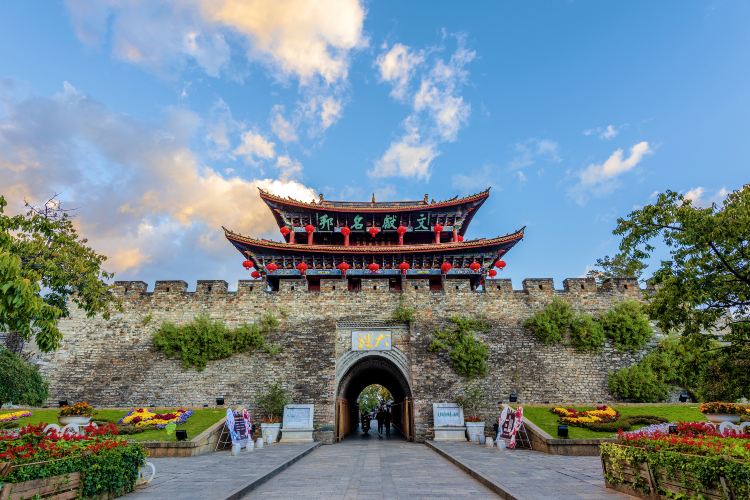
The ancient city of Dali lies quietly at the foot of Cangshan Mountain, like an ancient history book, with every page filled with stories of the years. It was once the capital of the Nanzhao Kingdom and the Dali Kingdom, and witnessed countless rises and falls. The architectural style in the city is unique, cleverly integrating the essence of Bai traditions and ancient architectural art. Walking on the streets, there are many shops on both sides, marble carvings, ethnic costumes and local specialty foods, as if telling the past prosperity of the city. During the day, Fuxing Road Pedestrian Street is bustling, and tourists shuttle through it, feeling the fireworks of the ancient city; at night, Foreigner Street and Renmin Road become a sea of joy. The melodious music from the characteristic bars and the mellow aroma in the small cafes together outline a vibrant nightlife picture. Spring and autumn are the best seasons to visit the ancient city of Dali. The sun is bright and the temperature is pleasant. Whether you hold a camera to capture beautiful moments or take a leisurely stroll to enjoy a pleasant time, it is extremely suitable.
2. Cangshan Mountain: A magnificent poem of nature
Cangshan Mountain stands on the west side of Erhai Lake in Dali, like a giant dragon lying horizontally. It is famous for its beautiful natural scenery and profound historical and cultural value. The snow on the main peak never melts all year round, which is majestic and spectacular, forming the magnificent "snow" scene among the four scenes of Dali, "wind, flowers, snow and moon". The mountains are shrouded in clouds and mist, which are unpredictable. Sometimes they form a sad and beautiful posture like "Waiting for Husband Cloud", and sometimes they turn into a flowing shape like "Jade Belt Cloud", which is like a dream. The Jade Belt Cloud Tour Road of Cangshan Mountain is about 18 kilometers long, with continuous peaks along the way and a wide view. During the walk, the fresh air is refreshing, and the uncanny workmanship of nature is breathtaking. Climbing to the top of the mountain, overlooking the whole picture of Erhai Lake and Dali, the beauty that shocks the soul makes people intoxicated.
3. Erhai Lake: A blue dreamland
Erhai Lake is like a crescent moon, lying quietly on the east side of Dali Ancient City, at the foot of the lush Cangshan Mountain. It attracts countless tourists with its azure water and unique villages and towns. Shuanglang on the east bank of Erhai Lake has a beautiful lake view. The sun shines on the lake, and the "Erhai Divine Light" is like a dream. It is a dream location for photography enthusiasts. The underwater terrain of Erhai Lake is rich and diverse. There are Shaping Bay and Hongshan Bay in the north, the impact fan of Cangshan Eighteen Creeks on the west bank, the steep bank belt cut into the mountain on the east bank, and the terraced lake center platform in the south. This is not only a masterpiece of nature, but also carries the history and culture of Dali.
4. Chongsheng Temple Three Pagodas Cultural Tourism Area: The inheritance of a thousand-year Buddhist charm
The Chongsheng Temple Three Pagodas Cultural Tourism Area is located 1.5 kilometers north of the ancient city of Dali. It is a royal temple during the Dali Kingdom period. It is backed by the Yingle Peak of Cangshan Mountain and faces Erhai Lake. The scenery is picturesque. As the core attraction of the scenic area, the three pagodas have survived thousands of years and are still standing. Its shape is similar to the Small Wild Goose Pagoda in Xi'an, but it has unique Dali characteristics. The "Three Pagodas Pool" in the Three Pagodas Reflection Park is the best photography spot. The calm water reflects the three pagodas, forming a beautiful picture. The Chongsheng Temple, rebuilt in 2005, is large in scale and magnificent, recreating the majesty of the royal temples during the Nanzhao and Dali periods. There are many exquisite dragon carvings in the temple, and there is also a cowhide drum with a diameter of 3.1 meters, as if telling the glory of the past.
(V) Zhang Family Garden: an art palace of Bai ethnic minority residences
Zhangjia Garden is located on the north side of "Guanyintang" in Dali City. It is a large-scale residential complex of the Bai nationality. The garden consists of six courtyards with ingenious architectural layout. The design of three courtyards and one screen wall makes the lighting achieve an excellent effect. The eight famous teas of Dali are planted in the garden, and the flowers bloom all year round. In the back garden, the Eighteen Scholars of Red depicted in "The Demi-Gods and Semi-Devils" add a mysterious color. The Cangshan Stream runs through the garden, forming a unique water stage. Visitors can enjoy the wonderful Bai folk songs and dances and tea art performances here, and deeply experience the rich and colorful ethnic culture. Climbing the sky tower in the garden, you can see the scenery of Cang and Er, which is refreshing.
2. Dining Recommendations: Taste the Dali Style
1. Clay pot fish: the delicious taste of Erhai Lake
As Dali's signature dish, casserole fish carries Dali's culinary tradition and food culture. When making this dish, the chef first selects tender chicken and mixes it with dried mushrooms, shrimps, scallops and other ingredients to carefully cook a rich and delicious soup base. Then, fresh carp from Erhai Lake is slowly cooked in a casserole. Under low heat, the flavors of various ingredients blend with each other, and the carp absorbs the mellow taste of the soup base, becoming tender and juicy. This dish is not only rich in taste, but also a delicious delicacy that tourists cannot miss when they come to Dali.
2. Xizhou Baba: A traditional street food delicacy
Xizhou Baba is a representative street food in Dali, and is loved by locals and tourists. It is made of wheat flour, sprinkled with chopped onions, salt and diced ham, and baked to have a crispy crust and soft inside. It has a moderate sweet and salty taste and is unique. Walking in the streets and alleys of Dali, if you smell the aroma of Xizhou Baba, you might as well stop and taste this authentic Dali flavor.
3. Dairy fan: the innovative beauty of dairy products
Rushan is a unique delicacy in Dali, made from milk and yogurt. This delicacy can be cooked in a variety of ways, such as frying, steaming, baking, and boiling. It is also often used as an ingredient in other dishes to add a unique flavor to the dishes. For example, in stewed carp and three-course tea, the addition of Rushan makes the taste richer and more unique, reflecting the unique innovation of Dali cuisine on dairy products.
(IV) Three Cups of Tea: The Tea Rhythm Inheritance of Life Philosophy
The traditional tea ceremony of the Bai nationality - Three Courses of Tea, is not only a drink, but also a heritage of life philosophy. The tea ceremony starts with "bitter tea", which tastes slightly bitter, implying the hardship of life; followed by "sweet tea", which tastes sweet, symbolizing the sweetness harvested after hard work; and finally, "aftertaste tea" containing ingredients such as pepper, ginger and cinnamon, which has a complex taste and makes people aftertaste endlessly, reminding people to recollect every bit of life. Tasting the three courses of tea is like going through a journey of life, and each tea brings different sensory experiences and life insights.
3. Transportation: Traveling in Dali without any worries
1. External transportation
Dali has a convenient transportation network, with the airport and railway station being the main hubs for entering and exiting the city. Dali Fengyi Airport (DLU) is located near the town of Fengyi and is connected to various domestic destinations by airlines such as Air China, China Eastern Airlines and Lucky Air. Travelers can choose to take the airport shuttle bus, which runs frequently, or taxis if they are looking for convenience. The Dali Railway Station was renovated in 2019 and has become a modern transportation facility, providing high-speed trains and conventional train services. The railway station is connected to several railway lines, such as the Dali-Lijiang Railway and the Dali-Ruili Railway. From the railway station, it is more convenient to take a taxi to the city, or you can choose a bus route, including the airport bus line that connects the railway station to Dali Airport.
2. Local Transportation
Buses, taxis and bicycles are the main modes of transportation in Dali. Dali's bus network covers an extensive area and can reach all parts of the city and major attractions. For example, bus No. 8 can go directly from the train station to Dali Ancient Town, and the fare is only about RMB 3. If you want a more flexible trip, taking a taxi is a good choice. The starting price of a taxi in Dali is RMB 6, and the fare is about RMB 2 per kilometer during the day. The starting price may increase to RMB 7 at night. Taxis can be stopped at any time, making it convenient to go to some places that buses cannot reach directly. For tourists who like to explore at a leisurely pace, renting a bicycle is a unique way to experience it. Dali has many scenic bicycle routes, and the route around Erhai Lake is particularly popular. There are many bicycle rental points in the city, and the rental fee ranges from about RMB 10 to 20 per day. Riding a bicycle to shuttle through the beautiful scenery of Dali, you can feel the unique charm of natural scenery and local culture.
4. Accommodation Recommendation: Enjoy a unique stay
1. Dali Ancient Town: A fusion of culture and comfort
Located between Cangshan Mountain and Erhai Lake, Dali Ancient Town is full of Bai culture. The accommodation here is mainly in traditional Bai architectural style, allowing visitors to enjoy a modern and comfortable experience while feeling the strong cultural atmosphere. Visitors can easily reach the gates, temples and museums of the ancient town on foot. The transportation is very convenient, and it is also close to Dali Railway Station and Dali Airport. The surrounding Cangshan Mountain is suitable for hiking and Erhai Lake is suitable for boat tours. There are many restaurants and shops in the ancient town, which is very suitable for walking, bicycle or electric motorcycle exploration. It is a great place to experience Dali's rich history and culture. Good House in Dali Ancient Town, Mushanxi Dali Ancient Town Puyu B&B, Dali Wuyou Boutique B&B, etc. are all good choices.
2. Shuanglang Scenic Area: Lake View and Tranquility
Shuanglang Ancient Town is located on the northeastern shore of Erhai Lake. It is famous for its beautiful lake views and tranquil environment. It is a provincial historical and cultural town. Most of the accommodations here offer excellent lake views, allowing tourists to escape from the hustle and bustle of the city. From Dali Ancient Town to Shuanglang, you can take a bus, taxi or charter car, and the scenery along the way is picturesque. Visitors can visit Nanzhao Style Island, Kuixing Pavilion and Daoyipan Village, taste local flavors, and visit art spaces. Dali Pusu Designer Seaview Resort Hotel, Dali Shuanglang Peninsula Cloud Seaview Inn, Dali Yujiaren Seaview Resort Hotel (Erhai Shuanglang Branch), etc., can all bring tourists an unforgettable accommodation experience.
3. Erhai Lake Park: Embrace of Nature and Leisure
Erhai Park is located next to Erhai Lake and is an ideal place to enjoy the natural beauty of Dali. The park has a beautiful environment and is suitable for outdoor activities such as cycling and boating. The accommodation conditions here are suitable for tourists who love nature and like leisure activities. The park is close to the center of Dali, which is convenient for travel and allows tourists to enjoy the famous "Erhai Moon" beauty, as well as visit nearby attractions such as Cangshan Mountain and the Three Pagodas. Dali Shushanju Seaview Holiday Villa (Erhai Branch), Dali Ruyi AT EASE Seaview Villa (Erhai Park Branch), Boman Sea View|First-line Seaview Beauty Stay (Erhai Park Branch), etc., provide tourists with a comfortable accommodation environment.
5. Best time to visit: Encounter the beauty of Dali
The best time to visit Dali is from March to May and from mid-October to November. The weather is sunny and there is less rainfall during this period, which is very suitable for sightseeing and outdoor activities. In the spring, the rhododendrons on Cangshan Mountain are in full bloom, the mountains are picturesque, and Erhai Lake is full of vitality. It is the golden season for tourism. In addition, many ethnic festivals are held in the area in March and April, and tourists have the opportunity to experience rich and diverse cultural activities. In the autumn, Dali has clear skies and dry climate. The golden wheat fields sway in the wind, and the temperature difference between day and night brings a unique experience that makes people intoxicated.
6. Tips to avoid pitfalls: Enjoy a relaxing trip to Dali
- Transportation to Shuanglang: To go from Dali Ancient Town to Shuanglang, you can take the Shuanglang bus at Dali Ancient Town Bus Station, the fare is about RMB 13 to 35. Taking a taxi or chartering a car is more expensive, but more convenient and flexible.
- Be careful when taking a taxi: In Dali, some drivers (especially on long-distance trips to the airport or tourist attractions) may not use the meter. It is best to negotiate the fare before getting on the bus to avoid being overcharged.
- Tour Dali Ancient Town: The ancient city is a great place to experience Bai culture and take a leisurely stroll. No tickets are required. Vehicles are not allowed in the city. Visitors can choose to walk, rent a bicycle or take a sightseeing bus.
- Erhai Lake Cruise: You can choose to take a boat tour to enjoy the beautiful scenery of Erhai Lake, but you should pay attention to the cost and book in advance. The full price of an adult boat ticket is about 130 RMB. You can pay attention to the official discount information.
- Sun protection for outdoor activities: When doing outdoor activities in Dali, such as cycling or running around Erhai Lake, you must pay attention to sun protection and wear a hat and sunglasses.
- Popular attractions: When visiting popular attractions such as Dali Ancient Town, pay attention to opening hours and crowds. Although Dali Ancient Town is open all day, it is recommended to visit during less crowded hours for a better experience.
- Temple Visiting Etiquette: When visiting temples or religious sites in Dali, please dress modestly and appropriately and take off your shoes before entering to show respect for local culture and religious customs.
- Note on taking photos: Before taking photos in Dali, especially before taking photos of people in ethnic minority communities, please be sure to obtain the other party's consent and respect their privacy and cultural habits.
7. Practical Guide: Careful Travel Preparation
1. Weather: Dali has a mild subtropical plateau climate with distinct dry and wet seasons. Winters are short, warm and dry; summers are warm with heavy rainfall. Due to the large temperature difference between daytime and nighttime, it is recommended that tourists bring multiple layers of clothing. During the rainy season from May to October, there will be occasional showers, so rain gear is essential. Dali is at a high altitude and has strong ultraviolet rays. Tourists need to take sun protection measures, such as wearing hats, sunglasses and applying sunscreen. Strong winds are common in the area, so it is recommended to bring a windproof jacket.
(II) Currency and Payment Methods**: In Dali, the main payment method is electronic payment. Visitors can first register for Alipay (Mainland China version) and open a WeChat Mainland Wallet. If the above payment methods cannot be used, you can also pay in cash. If you have an Octopus-National Pass card, you can use it to take the Dali bus. In addition, visitors can also use UnionPay, Visa, Master and other credit cards to make purchases in some scenarios.
Dali, this charming city, whether it is historical sites, natural scenery, or food culture, is worth savoring by tourists. Take this guide and embark on a journey to explore the beauty of Dali and harvest unforgettable memories.