A Collection of Dali Delicacies: A Gastronomic Journey Amidst the Beauty of Wind, Flowers, Snow, and
Yunnan Strait International Travel Service
Stepping into Dali is not only stepping into the natural画卷 of Cangshan Mountain and Erhai Lake, but also embarking on a feast for the taste buds. The food culture passed down through generations by the Bai people combines natural scenery and cultural ingenuity, giving rise to a series of classic delicacies that leave a lasting aftertaste.
Dali Sour and Spicy Fish: The Flavor on the Tongue Bestowed by Erhai Lake
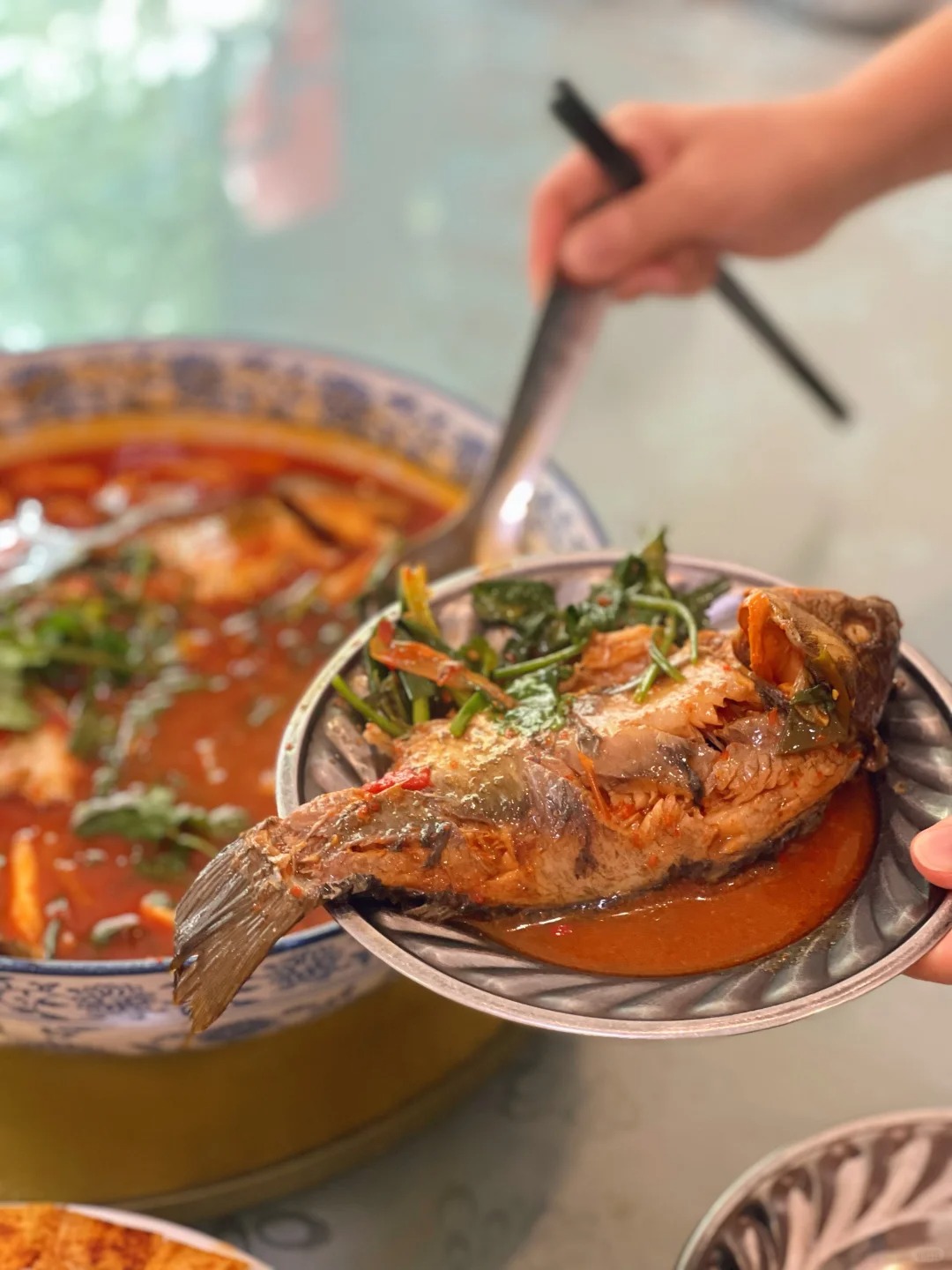
Dali Sour and Spicy Fish is deeply rooted in the daily life of the Bai people. Fresh crucian carp or carp from Erhai Lake are selected and cooked with local sour papayas, dried chilies, and fermented chili paste in fresh water. The soup is bright red, and the sour, spicy, fresh, and fragrant flavors instantly activate the taste buds. Entering a courtyard restaurant in the ancient city and having a pot of boiling sour and spicy fish allows your taste buds to embark on a taste journey belonging to Erhai Lake in the interweaving of sour and spicy flavors.
Dali Milk Fan: Popular in the Area of Cangshan and Erhai“Milk Fan”
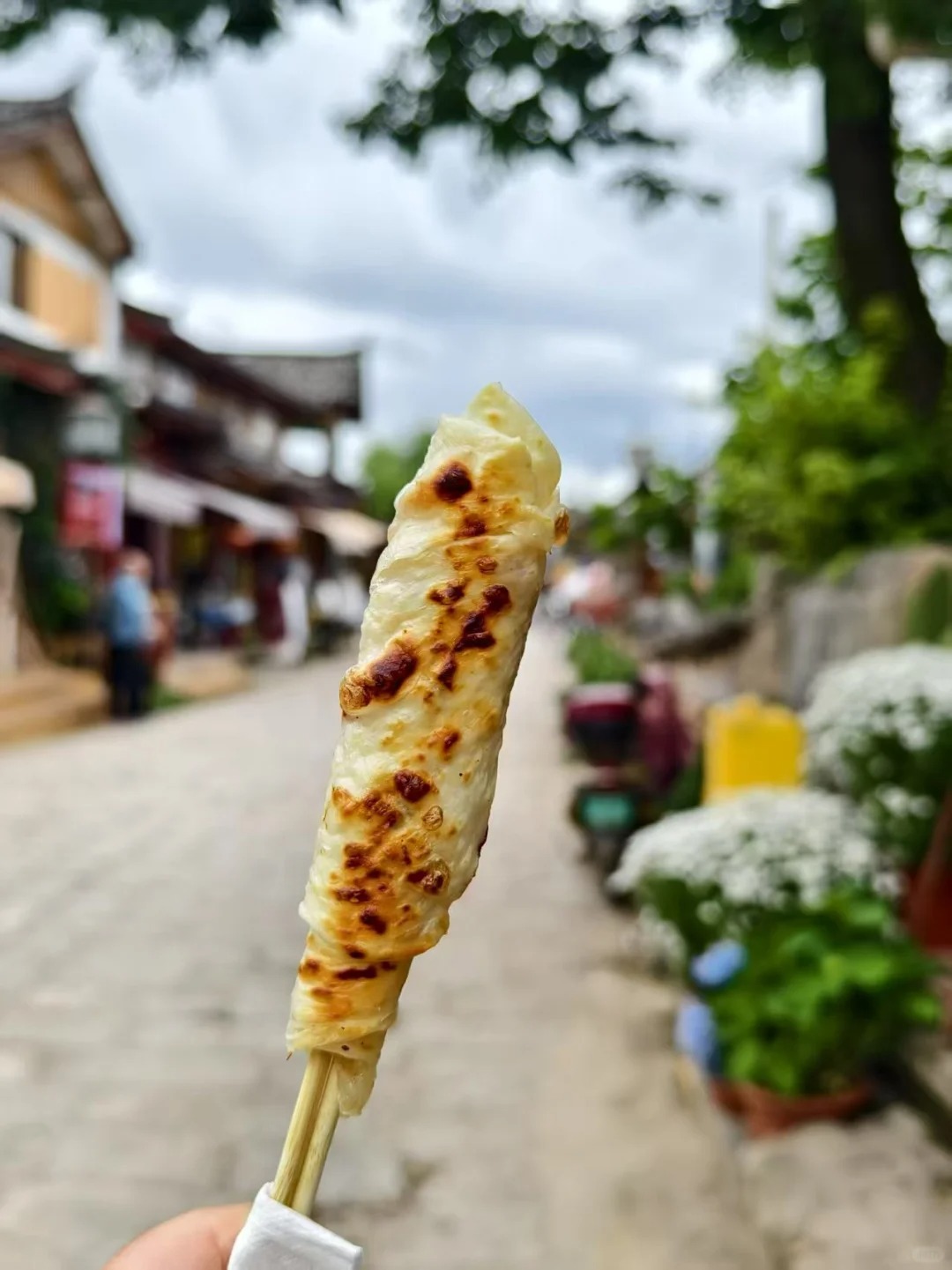
The milk fan is known as“One of the eighteen oddities in Yunnan is that milk is made into fans and sold”. It is hand - drawn from local fresh milk, shaped like a fan, white as snow, and fragrant like cheese. It can be roasted, fried, steamed, or eaten raw: roasted milk fan is golden and crispy, wrapped with rose jam, it is full of sweet fragrance; fried milk fan is crispy on the outside and tender on the inside, sprinkled with white sugar, it becomes an authentic tea snack. On the streets of the ancient city, it is common to see Bai women slowly roasting milk fans over charcoal fire, and the milky fragrance drifts with the wind, becoming the warmest taste of Dali in the hearts of travelers.
Dali Raw Pig Skin: A Exclusive Delicacy for Bold Foodies
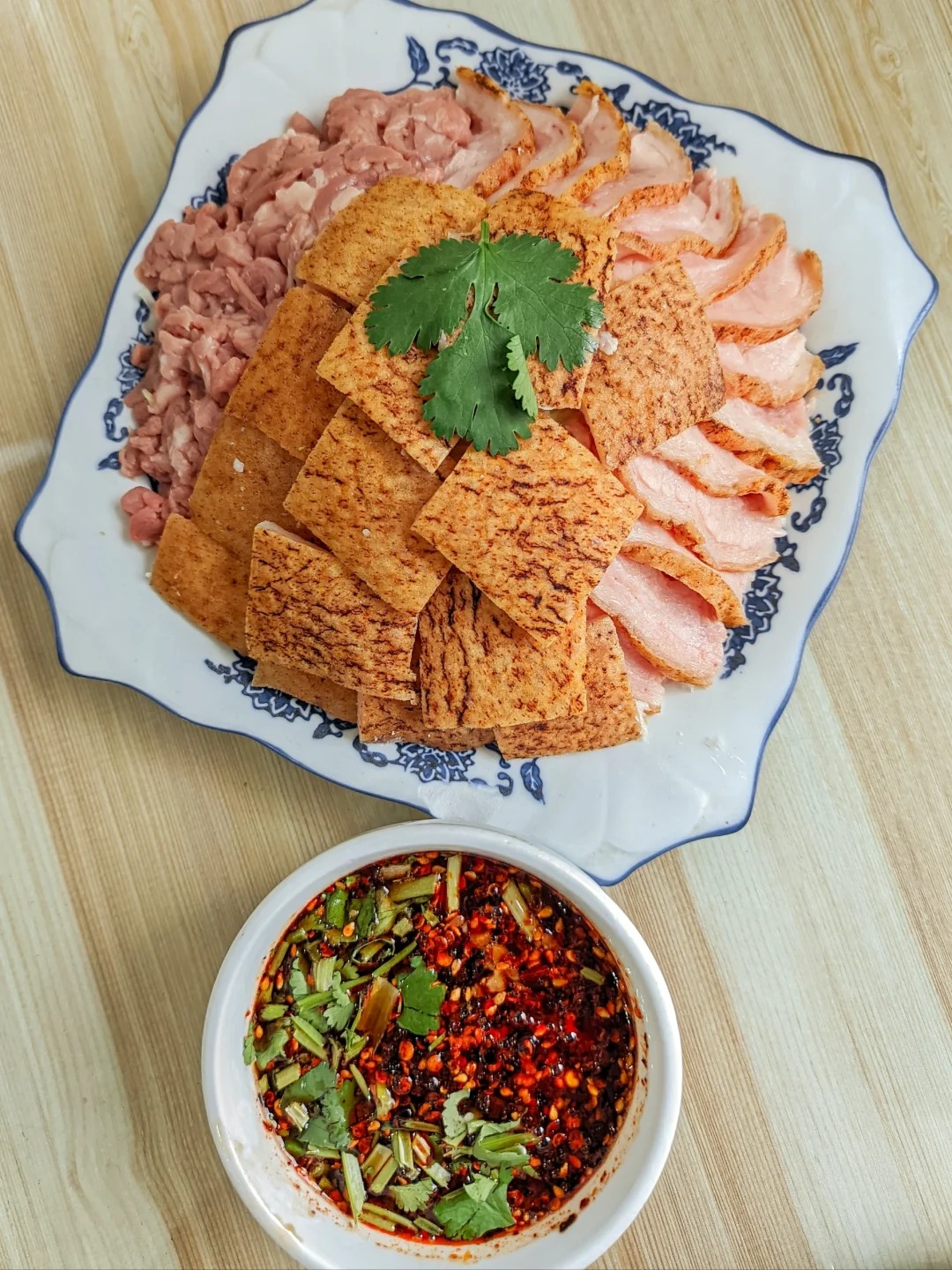
Raw pig skin is a famous dish for entertaining guests that has been passed down for thousands of years by the Bai people. Locally - raised healthy pigs are selected and roasted over a fierce straw fire. The skin turns golden, while the inside retains a bit of raw and tender texture. It is paired with the soul dipping sauce——the sourness of stewed plums, the spiciness of chilies, the numbness of Chinese prickly ash, and the pungency of garlic and ginger, with rich layers of flavors and fragrant without fishiness. It is recommended to experience it in a regular restaurant, and it tastes even better when paired with local plum wine.
Three - course Tea of the Bai People: One Tea with Three Flavors, Savoring Life
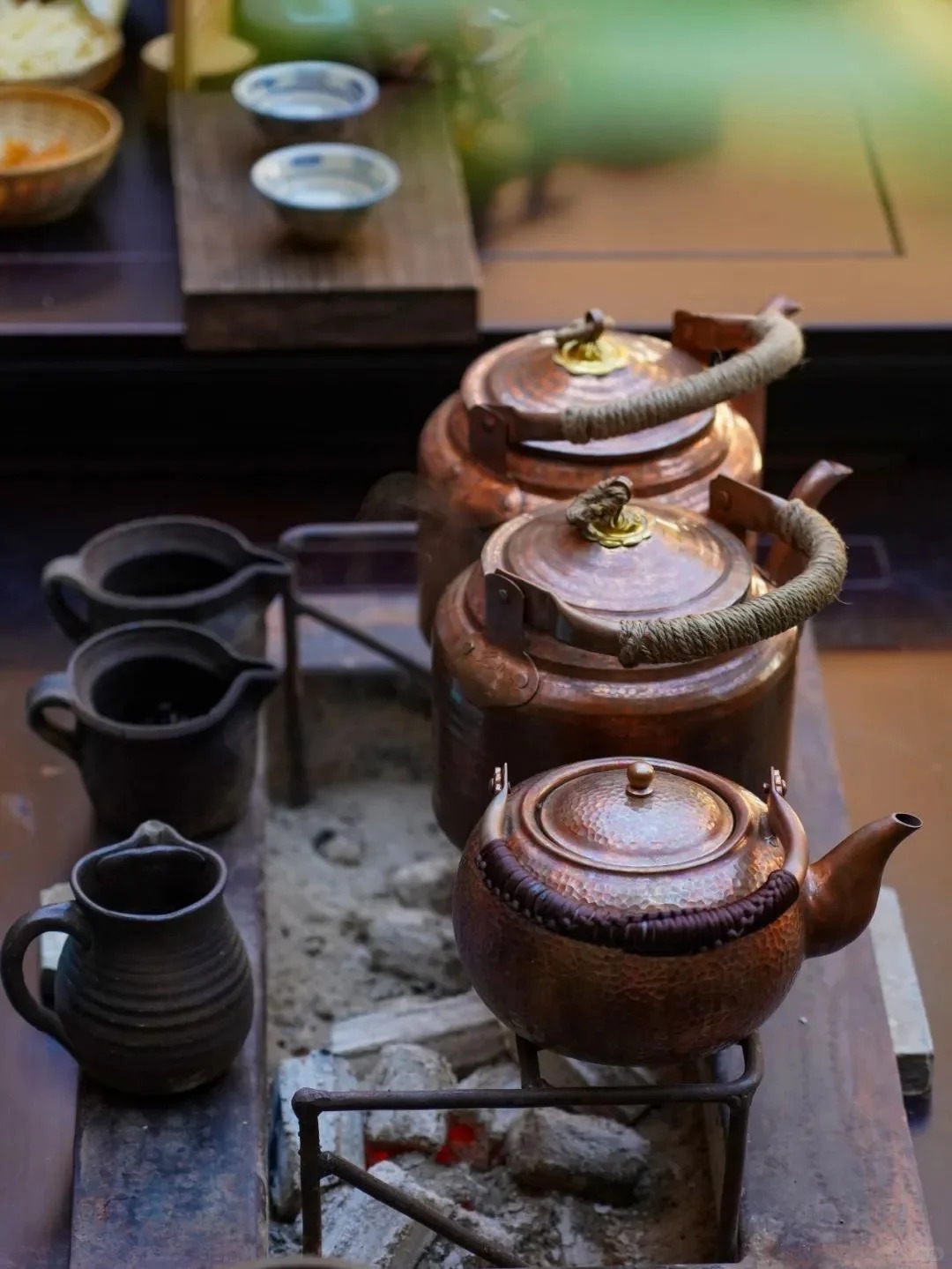
Three - course tea is the highest etiquette for the Bai people to entertain guests, with the essence of“First bitter, then sweet, and finally with a lingering aftertaste”: the first course is bitter tea, mellow with a sweet aftertaste; the second course is sweet tea, with milk fans, brown sugar, and walnuts added, it is sweet and delicious; the third course is aftertaste tea, infused with honey, Chinese prickly ash, and cinnamon, sweet, spicy, and numbing, with a long - lasting aftertaste. While savoring the tea, you can feel the life philosophy and hospitality wisdom contained in the Bai people's lives.
Dali Plum Wine: The Tipsy Time Brewed by Cangshan Mountain and Erhai Lake
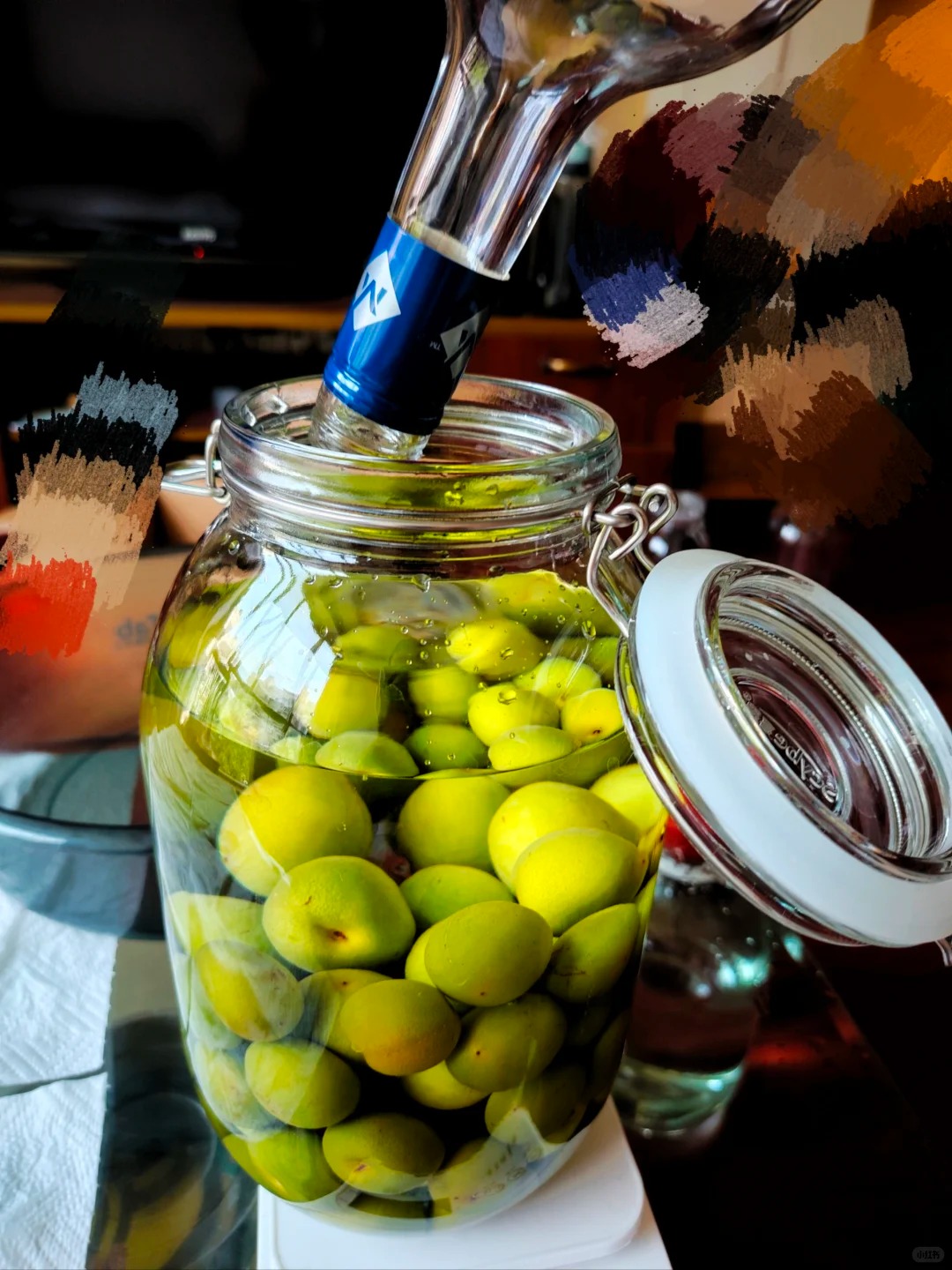
Relying on the ten - thousand - mu plum forest in Eryuan, the Bai people follow the ancient method, pick green plums, and soak them in pure grain wine and rock sugar in sealed jars. Plum wine has a delicate aroma, sweet and sour taste that refreshes the heart. It can be drunk neat, on the rocks, or mixed with soda water, bringing different levels of charm. This fine wine that combines nature and ingenuity has become the“Taste of Dali”that many travelers can take away.
Coming to Dali is not just about the scenery, but also about the taste. Every delicacy is the most affectionate dialogue with this land.